
As building designs continue to evolve, doors are no longer just simple entry points. They are expected to provide security, structural stability, weather protection, and energy efficiency.
Traditional single-point locks or tubular locks have been widely used for many years. However, with the increasing use of taller, heavier, and more advanced door systems, these traditional locking solutions are often no longer sufficient to meet modern safety and performance requirements.
For this reason, more door manufacturers and construction projects are adopting 3-point locks, also known as multipoint locking systems. By securing the door at multiple positions simultaneously, these systems significantly improve the overall performance of the door.
This article provides a comprehensive overview of how 3-point locks work, their advantages, common types, and where they are most commonly used.
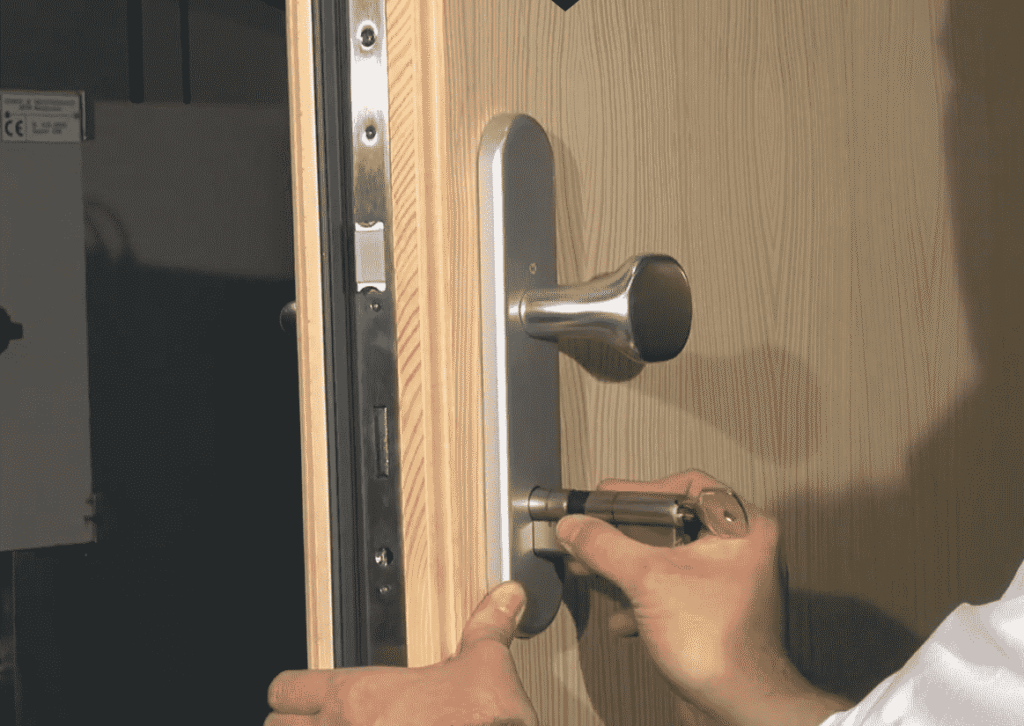
What Is a 3-Point Lock (Multipoint Locking System)?
A 3-point lock is a locking system designed to secure a door at three different points simultaneously. These locking points are typically located at the:
- Top of the door
- Center (main lock body)
- Bottom of the door
When the door is closed and locked, all three points engage with the door frame at the same time. This creates a much stronger and more stable connection between the door and the frame.
Unlike traditional locks that secure the door at only one location, multipoint locks distribute the locking force across the entire height of the door. This improves both security and structural stability.
Multipoint locking systems are widely used in modern door designs, including:
- Residential entry doors
- Villa doors
- Aluminum doors
- UPVC doors
- Wooden doors
- Commercial security doors
How a 3-Point Lock Works
A typical multipoint locking system consists of several key components:
Main lock body
Located in the center of the door, this is the primary locking mechanism controlled by the key or handle.
Transmission mechanism
A system of rods or linkages that connects the main lock body to the upper and lower locking points.
Auxiliary locking points
Additional bolts or hooks located at the top and bottom of the door that engage with the frame when the lock is activated.
When the key or handle operates the main lock body, the transmission mechanism moves the upper and lower locking points simultaneously. This synchronized action locks the door at multiple positions along the frame.
By securing the door at several points instead of one, the locking system creates a more stable and secure structure.
Key Advantages of 3-Point Locking Systems
Improved Security
Traditional single-point locks concentrate all security at one location. If that point is compromised, the door can be forced open.
A 3-point locking system distributes the locking force across multiple positions along the door. This makes it significantly more difficult for intruders to force the door open through prying or bending.
Multipoint locking systems provide:
- Multiple locking positions
- Increased resistance to forced entry
- Higher overall door security
This is why multipoint locks are commonly used in security doors and exterior entry doors.
Better Structural Stability
Doors experience various types of stress during daily use, including:
- The weight of the door itself
- Repeated opening and closing
- Wind pressure in exterior applications
With a single locking point, these forces are concentrated in the middle of the door, which can eventually lead to misalignment or door sagging.
Multipoint locks distribute the load across several locking points, helping to:
- Maintain door alignment
- Reduce structural stress
- Increase the rigidity of the door system
This is especially important for tall or heavy doors.
Improved Weather Sealing and Insulation
When a door is secured at three points, it is pulled more evenly against the door frame and sealing gaskets.
This tighter compression improves the door’s ability to:
- Block cold air and drafts
- Prevent rain infiltration
- Reduce outside noise
Better sealing performance also contributes to improved energy efficiency, helping buildings maintain indoor temperature more effectively.
Increased Durability
Because multipoint locks distribute mechanical stress more evenly, they help reduce wear on both the door and the frame.
Compared with traditional single-point locks, multipoint systems can help:
- Prevent door sagging over time
- Reduce frame deformation
- Extend the lifespan of both the door and the locking hardware
This makes them particularly beneficial for doors that are used frequently.
3-Point Locks vs. Traditional Tubular Locks
The differences between multipoint locks and traditional locks are clear when comparing their structural design and performance.
Feature | 3-Point Lock | Traditional Tubular Lock |
Locking points | Multiple | Single |
Security level | Higher | Standard |
Door stability | Improved | Limited |
Weather sealing | Better | Moderate |
Long-term durability | Higher | Lower |
For modern high-quality door systems, multipoint locks are often considered a more reliable and advanced solution.
Common Types of Multipoint Locks
Multipoint locking systems can be designed in different configurations depending on the application.
- Automatic Multipoint Locks
These locks automatically engage when the door is closed, ensuring the door remains secured without requiring manual locking.
- Manual Multipoint Locks
Manual systems require the user to operate the key or handle to activate all locking points.
These locks are simple, reliable, and widely used in residential and commercial doors.
- Mortise Multipoint Locks
Mortise locks are installed inside the door structure, providing a clean appearance and high security.
- Surface-Mounted Multipoint Locks
These locks are installed on the surface of the door and frame, making them suitable for retrofit installations.
- Electronic Multipoint Locks
Electronic systems can integrate with access control technologies such as:
- Key cards
- Keypads
- Remote unlocking systems
They are increasingly used in modern smart buildings and commercial facilities.
- Emergency Exit Multipoint Locks
These locks are designed for emergency exits in public buildings. They allow quick opening in emergency situations while still providing secure multi-point locking when closed.
Typical Applications of Multipoint Locks
Multipoint locking systems are widely used in various types of doors, including:
- Residential entrance doors
- Villa doors
- Commercial security doors
- Hotel room doors
- School and hospital doors
- Industrial facility doors
- Emergency exit doors
They are particularly suitable for large or heavy doors, where maintaining structural stability and security is essential.
How to Choose the Right 3-Point Lock
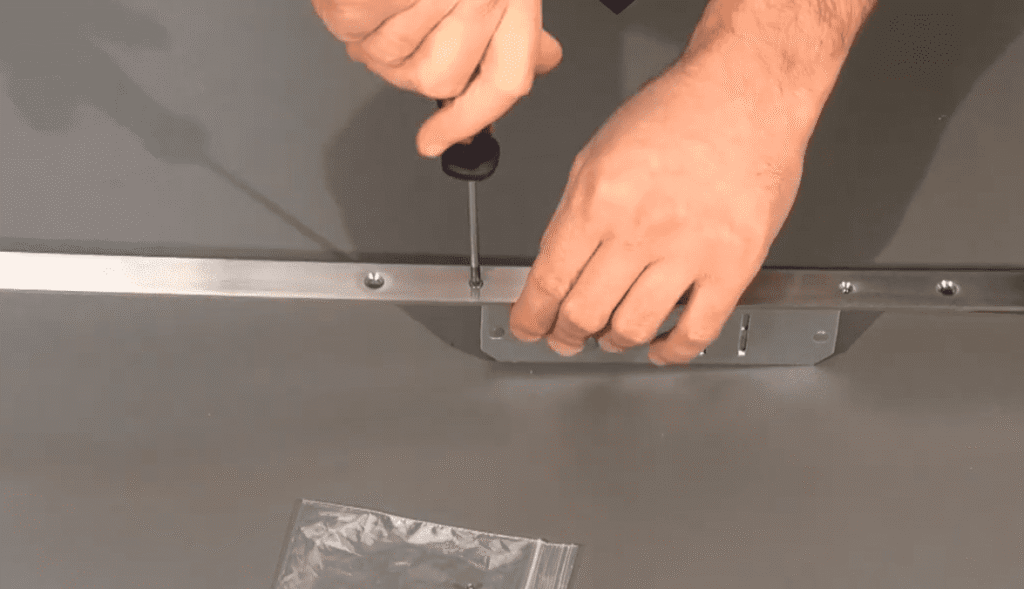
Selecting the appropriate multipoint lock depends on several factors.
- Door material
Different door materials such as wood, metal, aluminum, or uPVC may require different locking mechanisms. - Door size and weight
Taller or heavier doors may require stronger locking components. - Usage environment
Residential, commercial, and industrial environments may have different security and durability requirements. - Operation preference
Some applications may prefer automatic locking systems, while others may require manual operation.
Choosing the right locking system ensures reliable long-term performance.
Maintenance Tips for Multipoint Locks
Like any mechanical system, multipoint locks perform best with regular maintenance.
Basic maintenance includes:
- Keeping locking points clean
- Applying lubrication when necessary
- Ensuring the door remains properly aligned with the frame
Proper maintenance helps maintain smooth operation and extends the lifespan of the locking system.
Conclusion
As door systems continue to evolve, multipoint locking systems are becoming an increasingly important component in modern door design.
By securing the door at multiple points, 3-point locks provide improved security, stability, weather sealing, and durability compared with traditional locking mechanisms.
For many modern door systems, multipoint locking technology has become a practical and reliable solution for enhancing overall door performance.
Share This Story, Choose Your Platform!